


Call points and your duty of care: a plain buyer's guide for UK care homes.
Resident safety is not optional. Under CQC Regulation 12, providers must assess risks to the people they care for and do all that is reasonably practicable to reduce them. The regulation does not name a product or a response time, which leaves you free to choose what fits your home and your budget. This guide explains where call points and panic buttons fit, and what to check before you buy.
What the regulation actually asks for
Regulation 12 is about safe care: assess the risks, take reasonable steps to manage them. A reliable way for residents and staff to call for help is one practical part of that. There is no CQC-mandated technology, so do not let anyone tell you a specific system is "required".
Fixed and personal both count
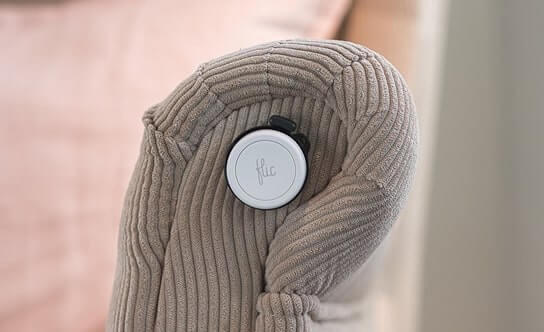
CQC accepts both fixed call points and mobile or personal ones. For places where someone may be alone, like bedrooms, bathrooms and toilets, a call point should be within reach. Wireless buttons cover those spots without major building work, and a carryable button suits people who move around.
A checklist before you buy.
Six questions worth asking of any call point or panic button, whoever you buy from.
- verified Can residents and staff reach a button where they are most likely to be alone?
- verified Does a push reach the right person quickly, and show where it came from?
- verified Is it simple enough that there is nothing to learn, for residents and carers?
- verified Will it keep working reliably across every room and every site?
- verified Does it fit your budget without replacing your whole system?
- verified Does it integrate with the nurse-call or PERS you already run?
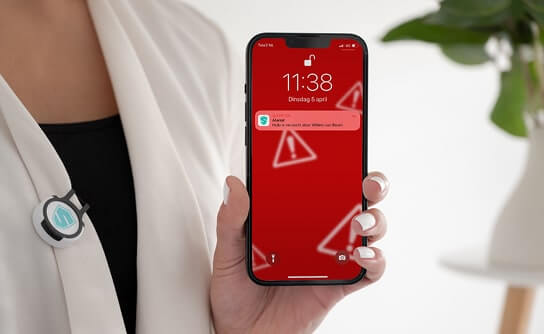
A simple wireless button that plugs into what you have.
Flic is a simple wireless push-to-notify button, used as a patient call point and as a staff panic button. It is easy to place where people need it, it tells your team where help is wanted, and Device Manager keeps the estate working. It plugs into your existing nurse-call or PERS through an open API rather than replacing it, and it supports the way you meet your duty of care. It is not a medical device and not a monitored emergency service, it is a straightforward way for people to call for help.
See call points for care homes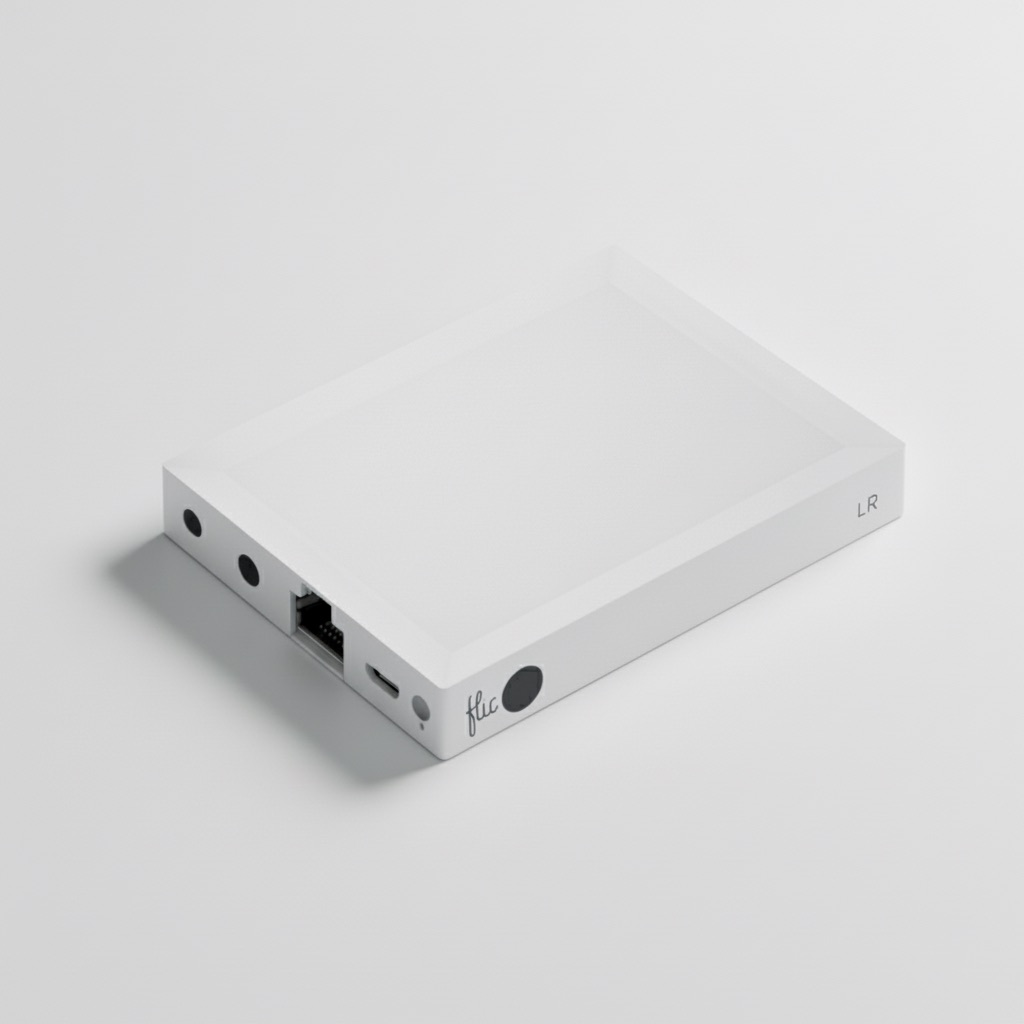
CQC and call points: common questions
Does CQC require a specific call system or technology?
Does CQC accept mobile or personal call points, not just fixed ones?
Is Flic a medical device or a monitored emergency service?
Talk to us about a pilot.
The easiest way to see if call points fit your home is a short pilot in one home or one wing. We will help you set it up.
Talk to us about a pilot Go to webshop →